|
Dustin Carrión-Ojeda I'm a PhD student at the Image and Video Analysis Group (IVA) at TU Darmstadt, under the supervision of Prof. Dr. Sc. Simone Schaub-Meyer. My work lies at the intersection of computer vision, limited-data learning, and multimodal representation learning, with a strong emphasis on efficiency and robustness. I received my MSc in Artificial Intelligence from Université Paris-Saclay, where I worked with Prof. Isabelle Guyon, and my BEng in Information Technology from Yachay Tech University, where I was advised by Prof. Israel Pineda and Prof. Rigoberto Fonseca-Delgado. Email / CV / Bio / Google Scholar / GitHub / Twitter / LinkedIn |

|
ResearchMy research investigates how computer vision models can learn effectively under limited supervision and heterogeneous modality settings. In particular, I develop meta-learning approaches for image classification and segmentation, and design multimodal methods for video understanding that remain robust under missing or incomplete modalities. A central theme of my work is efficiency, reducing data requirements, memory footprint, and computational cost while maintaining strong generalization performance. I also have prior experience in EEG-based biometric systems, exploring the intersection of biological signal processing and machine learning. |
Publications |
|
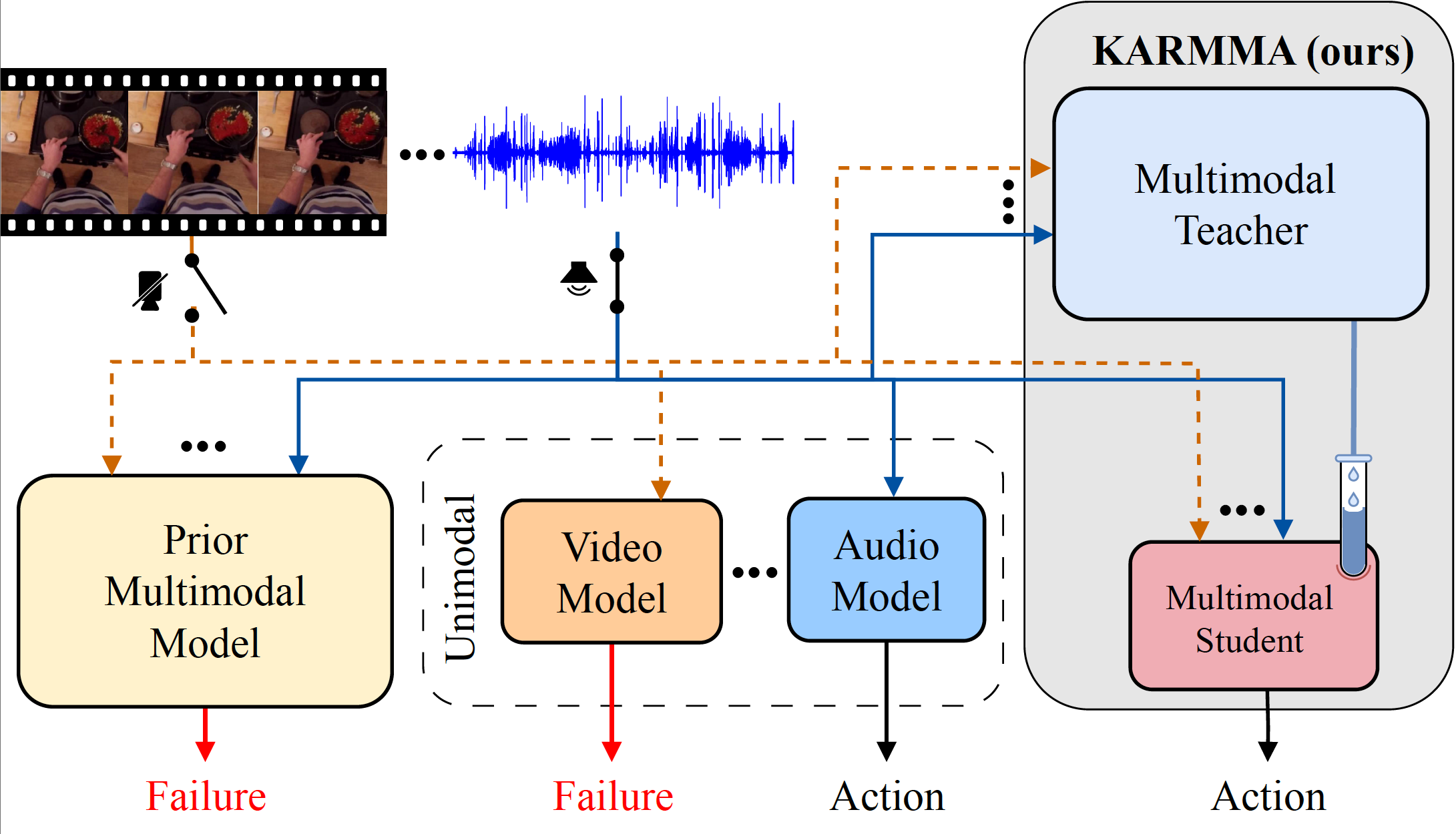
Multimodal Knowledge Distillation for Egocentric Action Recognition Robust to Missing Modalities
Dustin Carrión-Ojeda*, Maria Santos-Villafranca*, Alejandro Perez-Yus, Jesus Bermudez-Cameo, Jose J. Guerrero, Simone Schaub-Meyer ICRA - 2026 [arXiv | Code] A multimodal knowledge distillation framework for egocentric action recognition that remains robust under missing modalities, without requiring modality alignment during training or inference. The distilled student leverages available modalities while reducing computational cost by approximately 50%. |
|
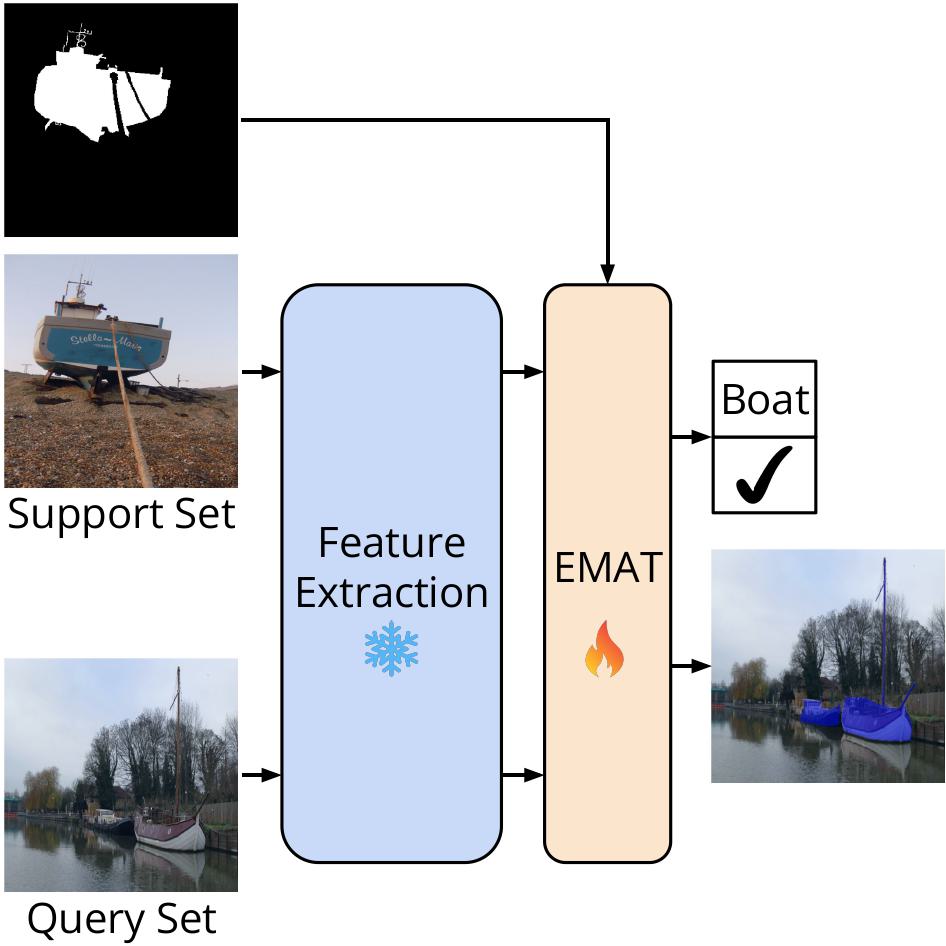
Efficient Masked Attention Transformer for Few-Shot Classification and Segmentation
Dustin Carrión-Ojeda, Stefan Roth, Simone Schaub-Meyer GCPR - 2025 [Paper | arXiv | Code] An efficient transformer that processes high-resolution correlation tokens, boosting few-shot classification and segmentation, especially for small objects, while using at least four times fewer parameters than existing methods. It supports N-way K-shot tasks and correctly outputs empty masks when no target is present. |
|
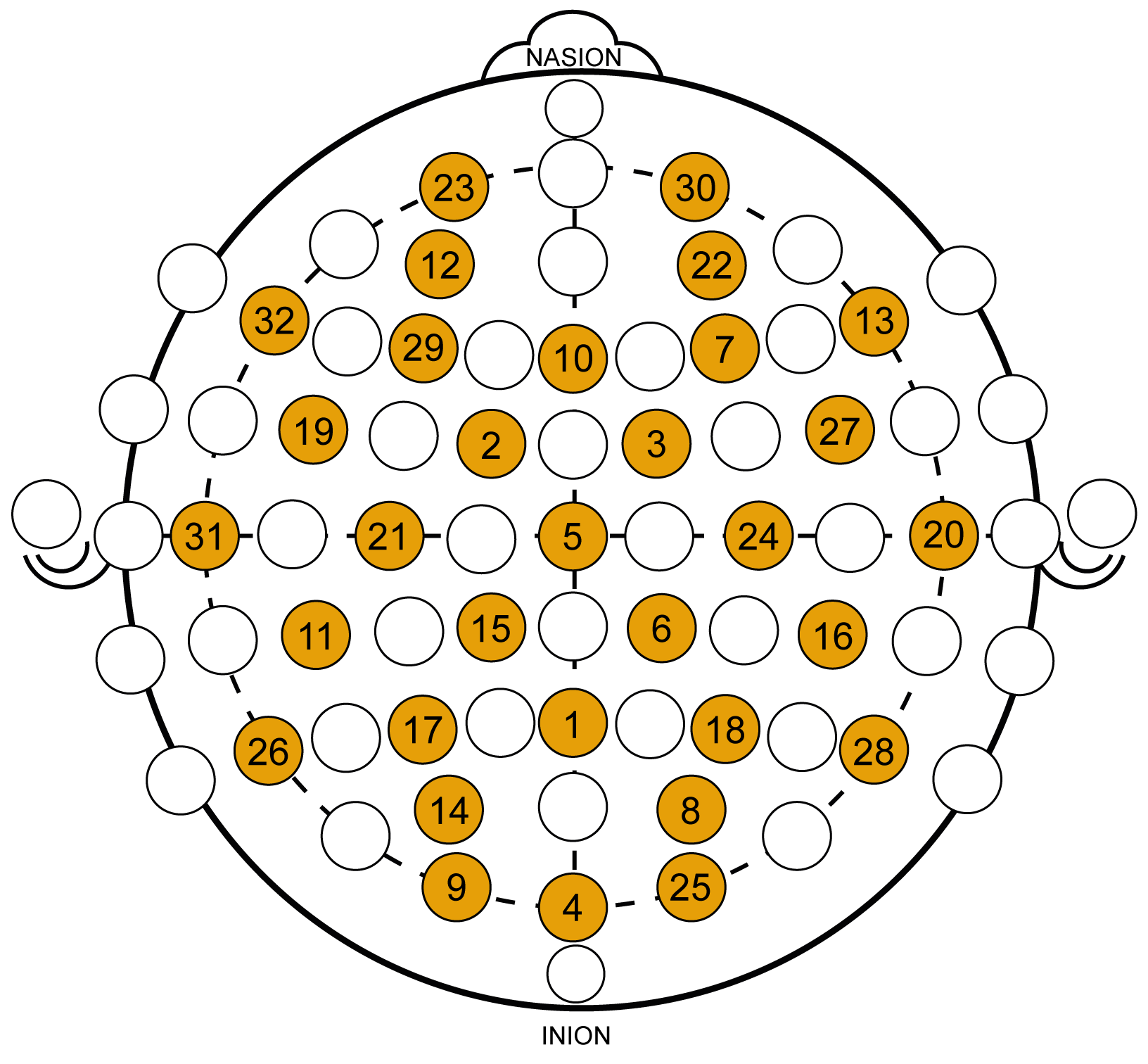
Evaluation of features and channels of electroencephalographic signals for biometric systems
Dustin Carrión-Ojeda, Paola Martínez-Arias, Rigoberto Fonseca-Delgado, Israel Pineda, Héctor Mejía-Vallejo EURASIP Journal on Advances in Signal Processing - 2024 [Paper] An analysis of EEG-based biometrics identifying the most relevant features and channels, reducing required electrodes from 32 to 11 while maintaining performance, with standard deviation from wavelet coefficients as the best feature. |
|
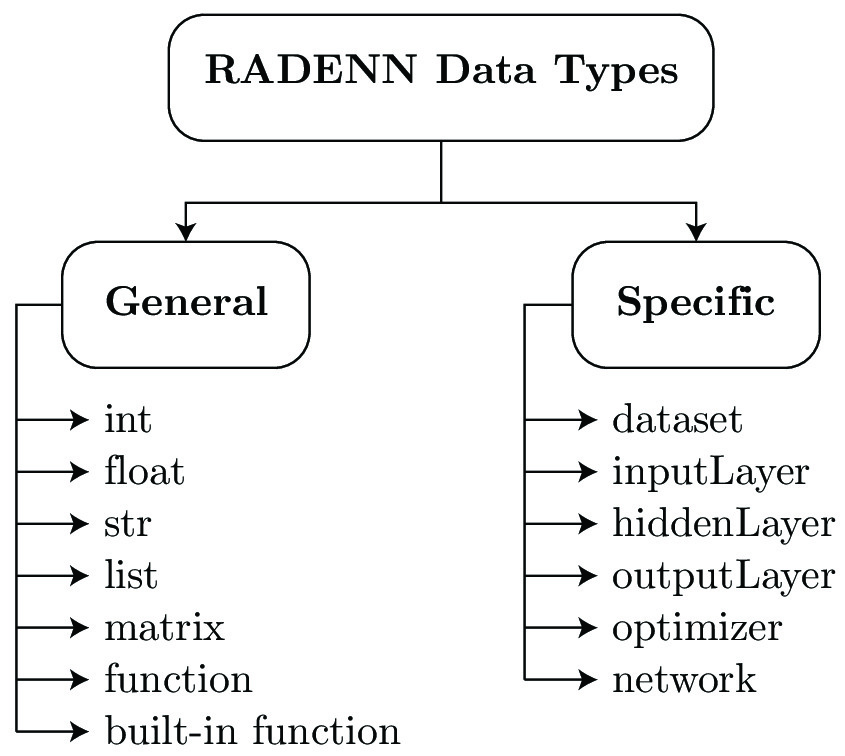
RADENN: A domain-specific language for the RApid DEvelopment of Neural Networks
Israel Pineda, Dustin Carrión-Ojeda, Rigoberto Fonseca-Delgado IEEE Access - 2023 [Paper | Code] A domain-specific language built on Keras, designed for fast and accessible neural network development with minimal coding. |
|
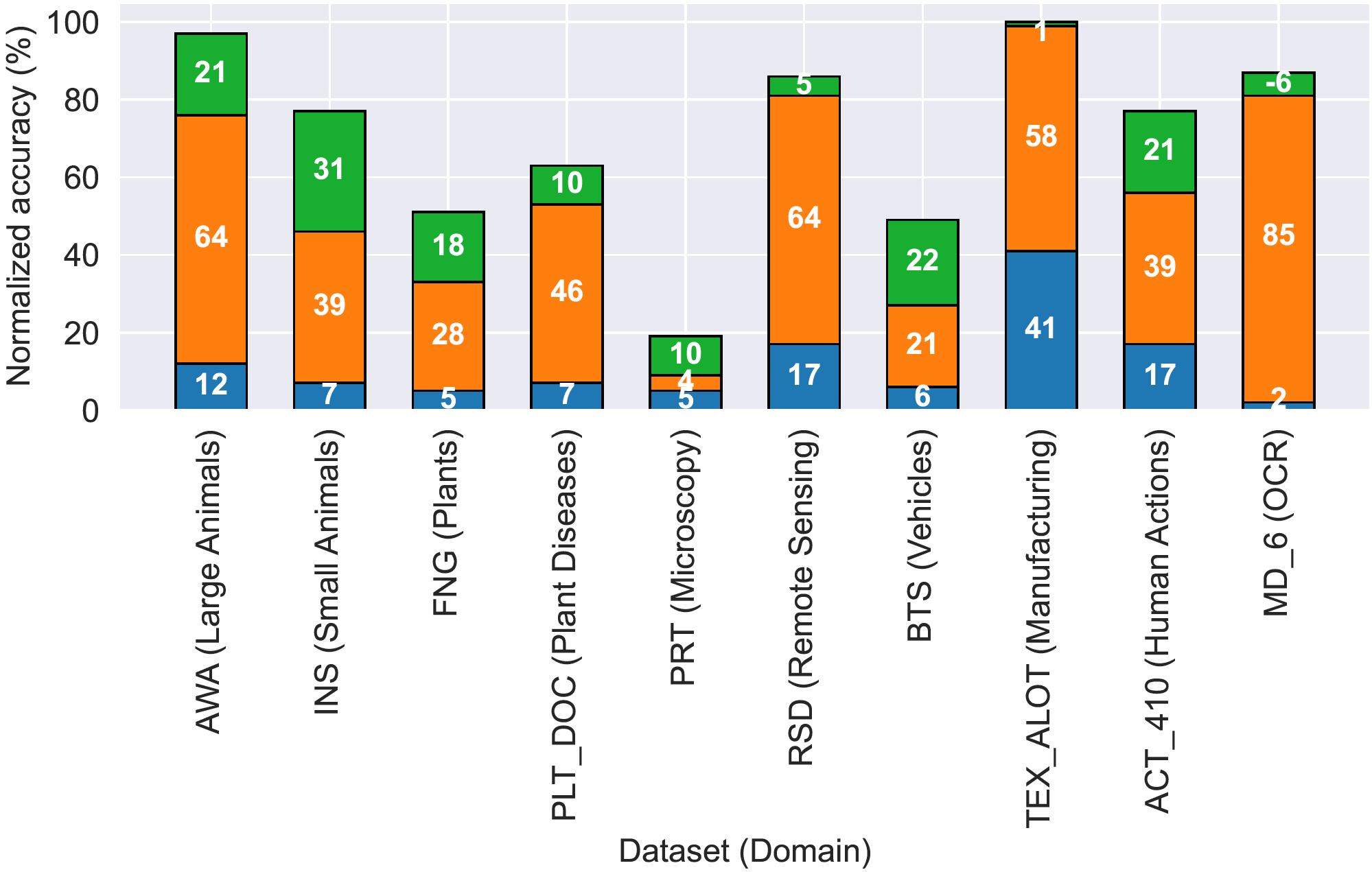
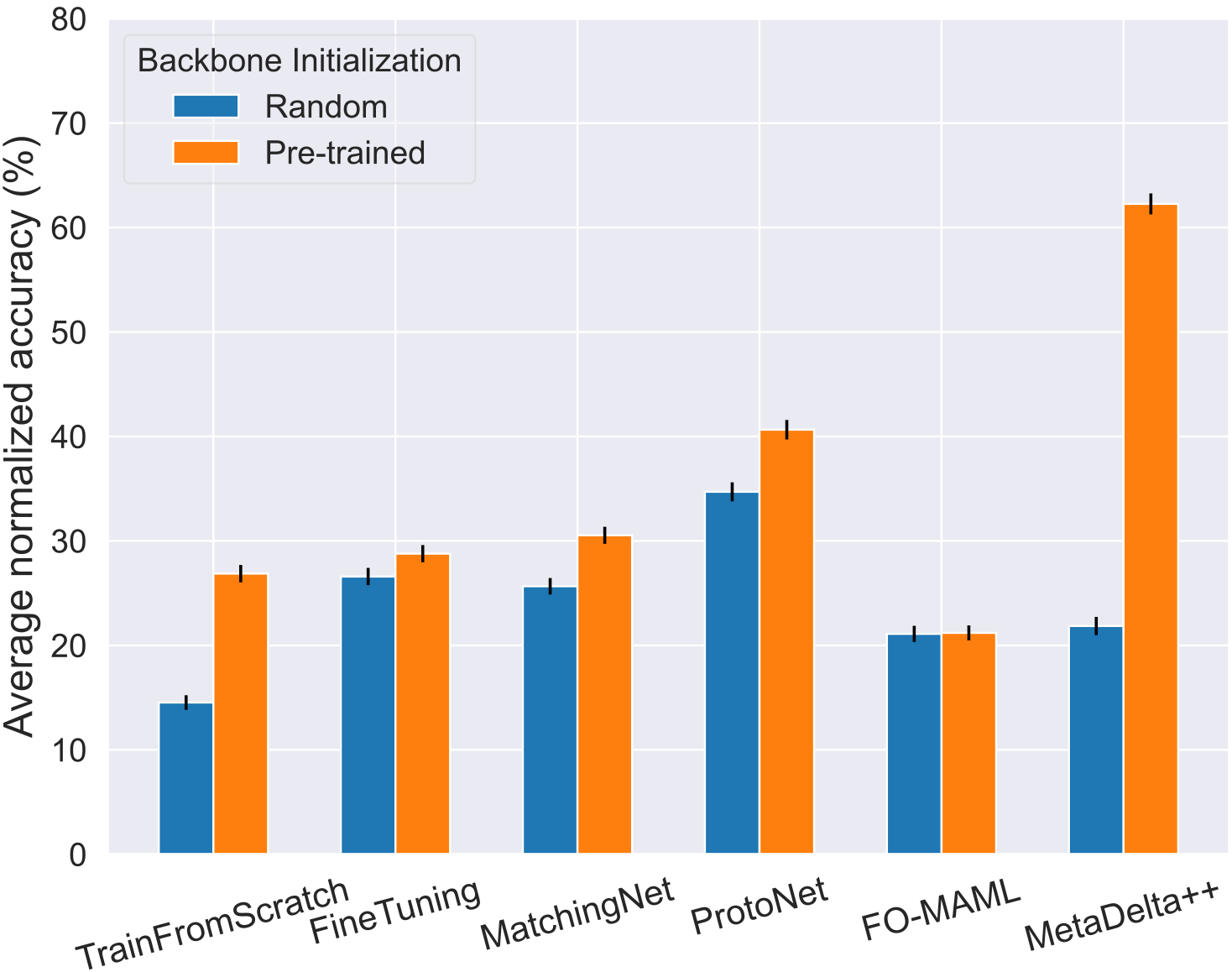
NeurIPS'22 Cross-Domain MetaDL Challenge: Results and lessons learned
Dustin Carrión-Ojeda, et al. PMLR - 2022 [Paper | Code] An analysis of the NeurIPS'22 Cross-Domain MetaDL Challenge results, emphasizing the impact of pre-trained backbones, overfitting prevention, and domain adaptation techniques in improving meta-learning performance across 10 domains. |
|
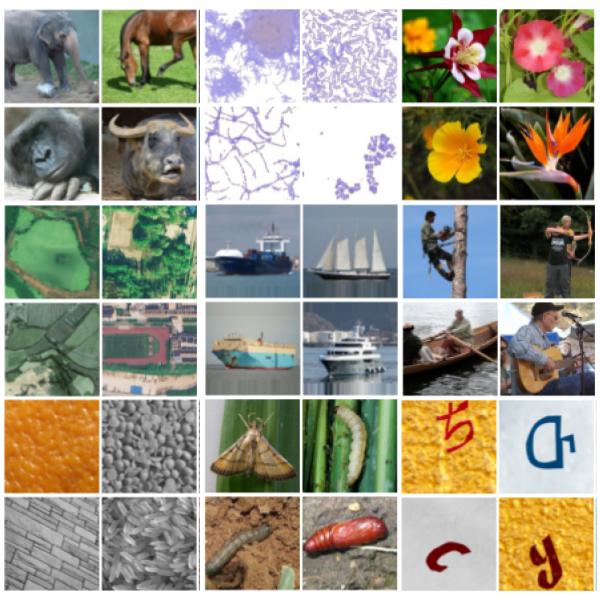
Meta-Album: Multi-domain meta-dataset for few-shot image classification
Ihsan Ullah*, Dustin Carrión-Ojeda*, Sergio Escalera, Isabelle Guyon, Mike Huisman, Felix Mohr, Jan N. van Rijn, Haozhe Sun, Joaquin Vanschoren, Phan Anh Vu NeurIPS D&B Track - 2022 [Paper | arXiv | Code] A diverse meta-dataset designed for few-shot image classification and other applications, featuring 40 curated datasets from 10 domains, standardized formatting, and multiple dataset versions. |
|
NeurIPS'22 Cross-Domain MetaDL competition: Design and baseline results
Dustin Carrión-Ojeda, Hong Chen, Adrian El Baz, Segio Escalera, Chaoyu Guan, Isabelle Guyon, Ihsan Ullah, Xin Wang, Wenwu Zhu ECML/PKDD Workshop: Meta-Knowledge Transfer - 2022 [Paper | arXiv | Code] A challenge on "any-way any-shot" image classification in a cross-domain setting. Winning solutions were blind-tested and open-sourced for broader impact. |
|
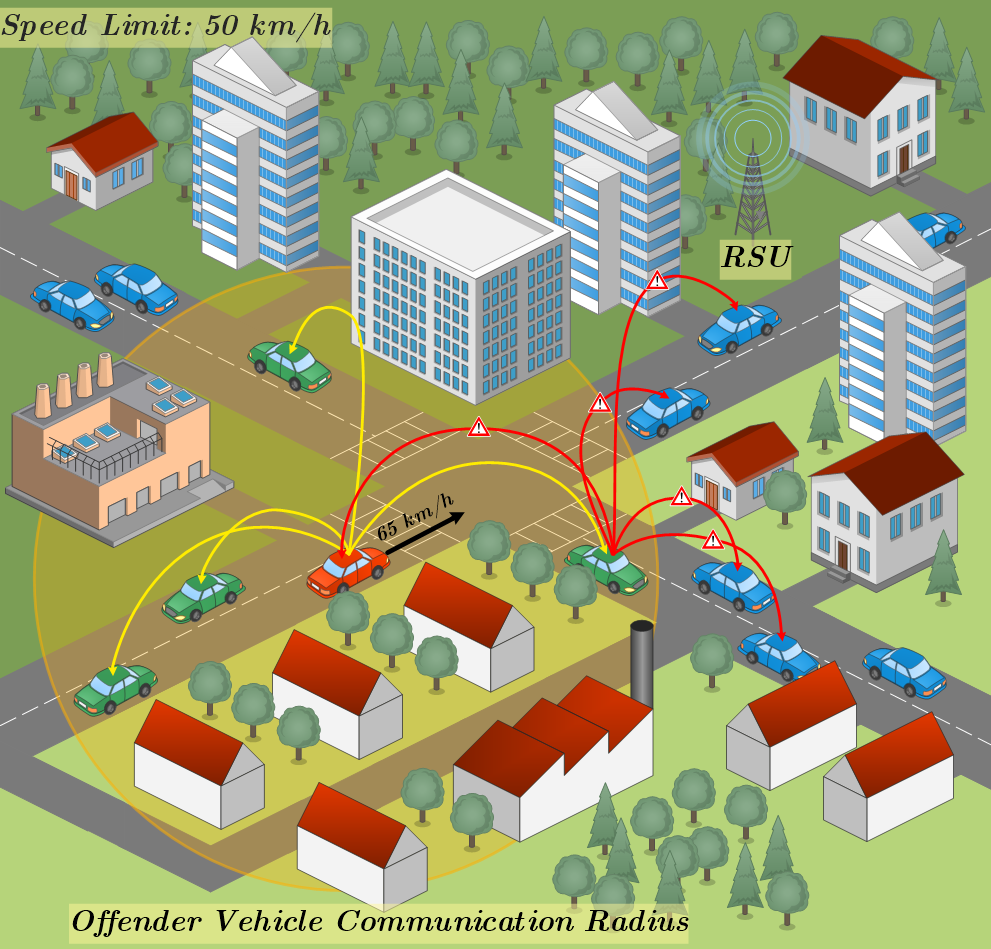
Performance evaluation of dissemination protocols over vehicular networks for an automatic speed fine system
Dustin Carrión-Ojeda, Cristhian Iza, Mónica Aguilar Igartua IEEE Access - 2021 [Paper] An automated system for issuing fines for speed limit violations using vehicular networks, featuring a dissemination protocol that achieves approximately 95% fine delivery in urban scenarios. |
|
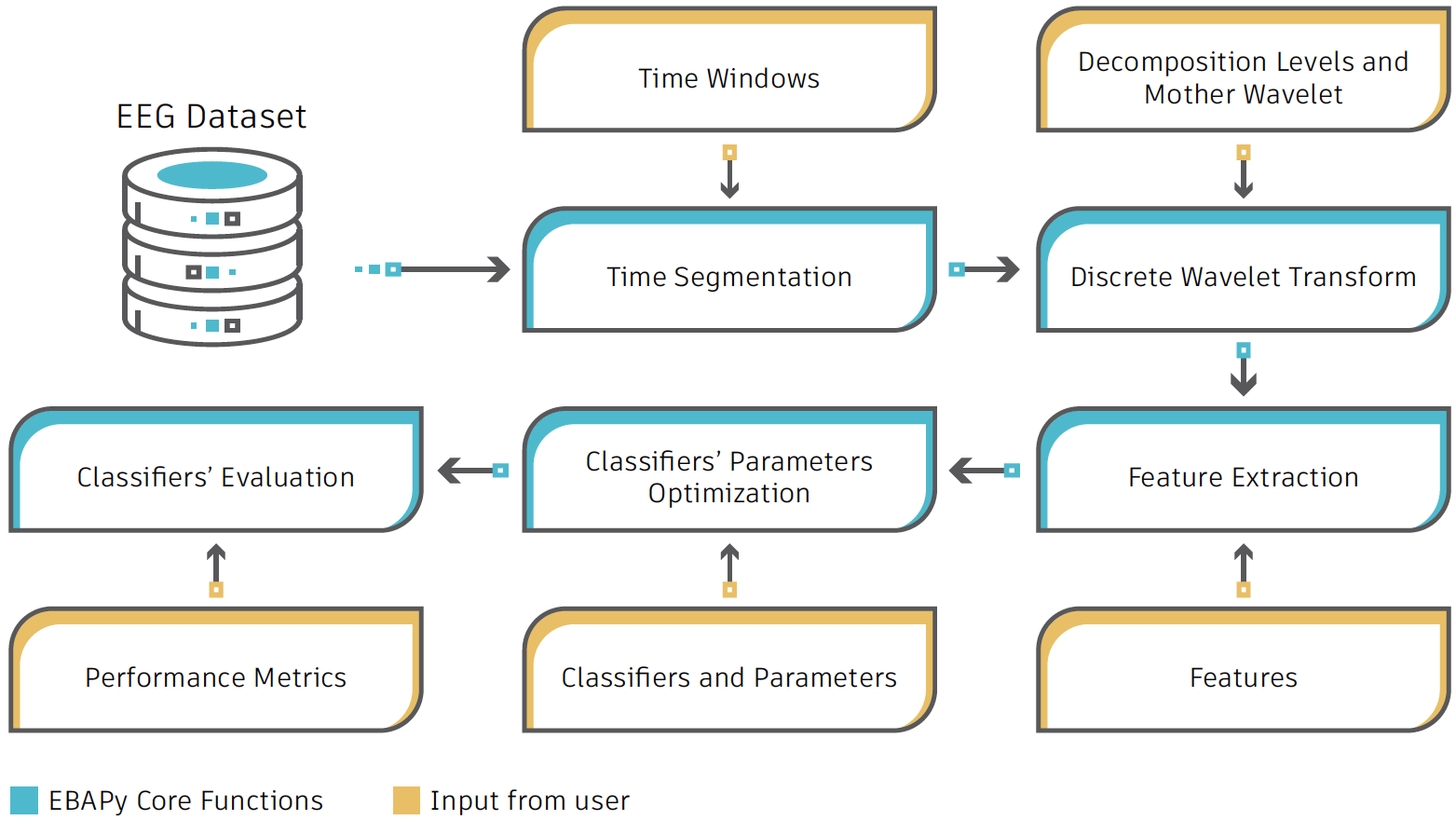
EBAPy: A Python framework for analyzing the factors that have an influence in the performance of EEG-based applications
Dustin Carrión-Ojeda, Paola Martínez-Arias, Rigoberto Fonseca-Delgado, Israel Pineda Software Impacts - 2021 [Paper | Code] A user-friendly Python framework for developing EEG-based applications, enabling in-depth analysis of factors that influence the performance of the system and its computational cost. |
|
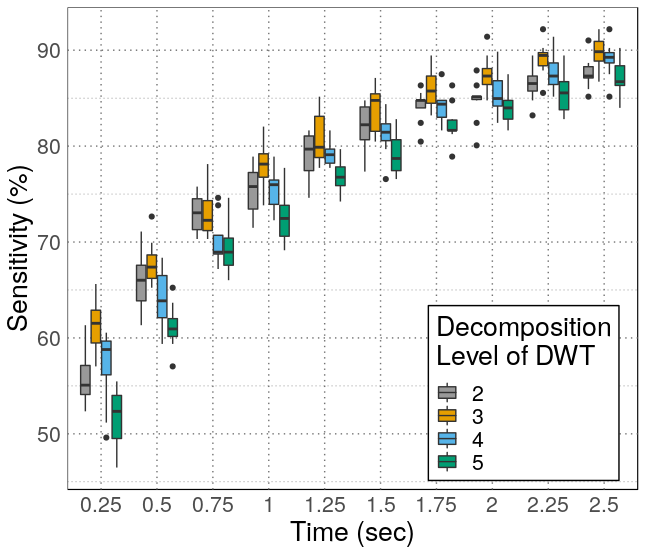
Analysis of factors that influence the performance of biometric systems based on EEG signals
Dustin Carrión-Ojeda, Rigoberto Fonseca-Delgado, Israel Pineda Expert Systems with Applications - 2021 [Paper | Code] An analysis of factors influencing the performance of EEG-based biometrics, showing that EEG recording time significantly impacts classifier accuracy. |
|
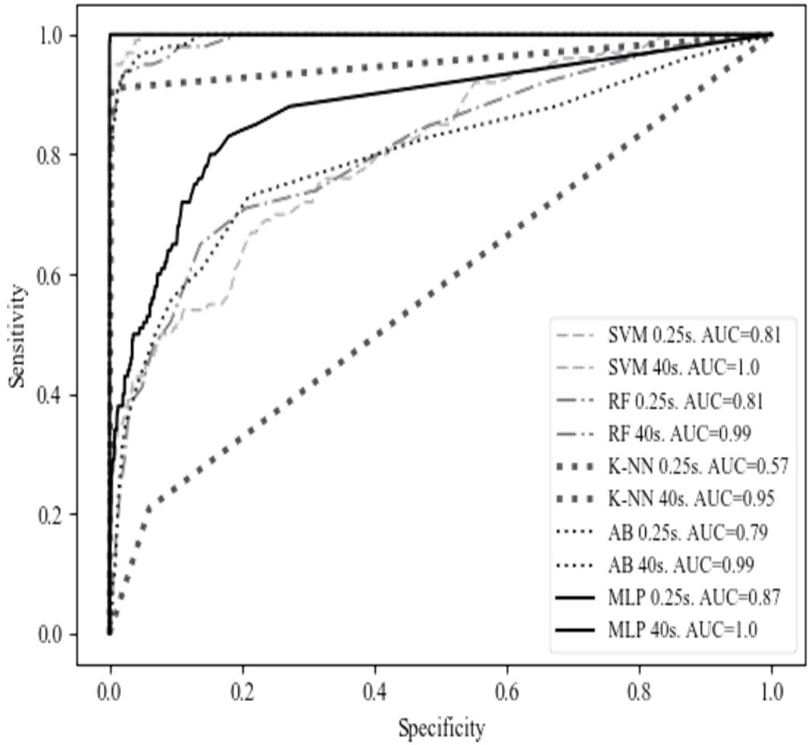
A method for studying how much time of EEG recording is needed to have a good user identification.
Dustin Carrión-Ojeda, Héctor Mejía-Vallejo, Rigoberto Fonseca-Delgado, Pilar Gómez-Gil, Manuel Ramírez-Cortés IEEE LA-CCI - 2019 [Paper] A novel EEG-based biometric system that uses Discrete Wavelet Transform (DWT) for feature extraction and achieves approximately 90% accuracy with just 2 seconds of EEG recording. |
Posters |
|
Analysis of meta-learning methods in a more realistic cross-domain scenario
Dustin Carrión-Ojeda, Stefan Roth, Simone Schaub-Meyer 2023 ICCV Workshop: LatinX in Artificial Intelligence Research |
|
Results of the NeurIPS'22 Cross-Domain MetaDL competition
Dustin Carrión-Ojeda, Ihsan Ullah, Sergio Escalera, Isabelle Guyon, Felix Mohr, Manh Hung Nguyen, Joaquin Vanschoren 2022 NeurIPS Competition Track |
|
Analysis of factors that influence the performance of biometric systems based on EEG signals
Dustin Carrión-Ojeda, Rigoberto Fonseca-Delgado, Israel Pineda 2020 NeurIPS Workshop: LatinX in Artificial Intelligence Research |
|
Biometric system based on electroencephalogram analysis
Dustin Carrión-Ojeda, Héctor Mejía-Vallejo, Rigoberto Fonseca-Delgado, Pilar Gómez-Gil, Manuel Ramírez-Cortés 2019 NeurIPS Workshop: LatinX in Artificial Intelligence Research |
|
Based on the design and source code from Jon Barron's website |